
Moving in Alaska: Seasonal Logistics and Route Planning
Plan around winter roads, ferry routes, and remote corridors with flexible windows, written confirmations, and risk buffers.
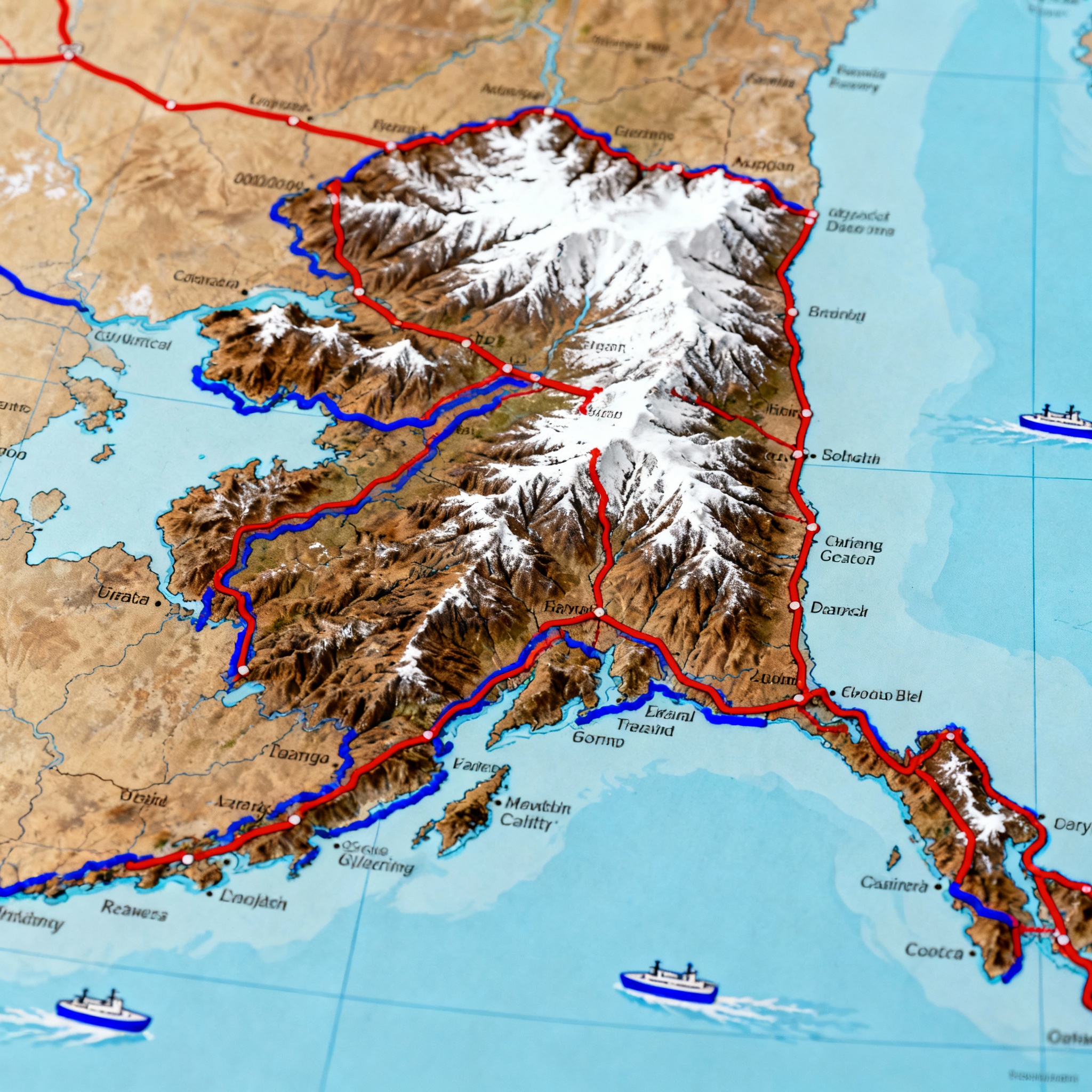
Why Alaska Is Different
Alaska combines vast distances, sparse services, and volatile weather windows, so the order of operations matters as much as choosing vendors...
Mode-by-Mode Strategy
- Highway corridors: chain requirements, lower speeds, pass closures; verify fuel/service.
- Ferry routes: reserve early, confirm dimensions, plan for weather holds and tie-downs.
- Air freight: remote access with rigid crating and moisture control for tarmac exposure.
Time and Cost Controls
Budget a 10–20% contingency for weather delays, port handling, and re-delivery...
Documentation and Claims Readiness
Photograph condition states, note serials, confirm insurance for sub-zero, ferry transshipment, and extended delays...
Packing Touchpoints
- Electronics: anti-static, full cushioning, 12–24 hours acclimatization before power-on.
- Furniture: breathable inner, foam mid-layer, rigid outer shell.
- Pallets: corner posts, straps, moisture barriers under skids.
Scheduling Templates
Summer: book 6–10 weeks in advance, confirm ferry deadlines, avoid tight closings...
Local Coordination
Align arrival with local mechanics, storage yards, and dock schedules...
Anchorage Support and Transition Experience
When planning a relocation to or from Southcentral Alaska, the logistical center of gravity often shifts toward Anchorage — the region’s largest city and distribution hub. The port of Anchorage, Ted Stevens International Airport, and connecting highways to the Kenai Peninsula and Interior make this area the state’s beating heart for transportation. Settling in Anchorage is not just a functional matter of roads and deliveries—it’s a coordinated interplay between timing windows, freight availability, and experienced movers who understand the Arctic supply chain rhythm. Many new arrivals find value in working with professionals familiar with heavy equipment transit and local storage networks. Reviews and real feedback often become critical references in determining reliability. This is particularly true for movers handling unpredictable winter weather, where timing, equipment condition, and communication can define the entire experience.
Among companies operating in this region, customer trust becomes an operational tool as much as reputation. Verified client stories reveal how loading techniques and material handling evolve during peak freeze-up or thaw periods. Checking the community reviews of established movers is as important as comparing base rates—because those details uncover the company’s ability to adapt to dynamic conditions. To explore firsthand customer experience and get a transparent view of service quality, many residents and incoming movers consult the Anchorage Moving Company reviews. These insights show the balance between pricing and resilience during logistical challenges, particularly for long-distance coordination between Anchorage, Fairbanks, or the Kenai area. Movers with a proven safety culture and responsive communication teams often provide more predictable delivery outcomes.
Anchorage itself functions as a stabilization zone for multi-leg moves. While Fairbanks serves northern access and Juneau covers Southeast via ferry routes, Anchorage integrates all systems—highway, airport, and marine linkages. It’s where household shipments switch infrastructure or undergo warehouse consolidation before final delivery north or west. Professional movers familiar with both the Anchorage metropolitan grid and the remote corridors appreciate how timing overlaps affect everything from port clearance to rural delivery windows. Utilizing Anchorage logistics also introduces residents to community-oriented services such as temporary storage, vehicle winterization, and supply restocking points before continuing deeper into Alaska’s interior.
For new residents, starting or ending a relocation in Anchorage suggests taking advantage of local expertise. Movers who maintain permanent Anchorage facilities provide smoother transitions across ferry, air, and overland routes. They also tend to have partnerships with seasonal subcontractors managing satellite destinations, from Homer to Deadhorse. The coordination structure supports household consistency—reducing risks of delayed cross-docks, lost documentation, or exposure issues. Comparing recurring patterns found in reviews, particularly for the Anchorage corridor, helps predict not just costs but environmental readiness. Understanding regional pace, learning how the city absorbs surges in summer traffic, and recognizing the importance of route flexibility all form part of optimizing your move through the Anchorage hub. Planning through this lens makes the relocation process far more sustainable while introducing you to Alaska’s most vital logistics community.
Anchor Partner
For integrated move and storage planning, consider Independence Moving and Storage in Alaska for coordination across highways, ports, and warehouses.
Costs, Budgeting, and Community Insights for Alaska Moves
Understand pricing structures, seasonal premiums, and the role of communities in first-year success.

Cost Structure Basics
- Linehaul/accessorials: distance, remoteness, shuttles, crates, remote surcharges.
- Ports/ferries: terminal handling, storage-in-transit, rescheduling.
- Seasonal multipliers: summer demand vs. winter risk buffers.
Budget Framework
Layer core services, port interactions, and risk buffers; 10–20% contingency as baseline...
Price Stabilizers
- Early booking for summer capacity.
- Flexible windows to reduce rebooking/storage.
- Route clarity for predictability (highway/ferry/fly-in).
Community Dynamics
Neighbor networks, shared tools, and winter best practices accelerate adaptation...
First-Year Essentials
- Home: insulation, backup heat, freeze/leak sensors.
- Vehicle: winter tires, maintenance calendar, recovery kit.
- Personal: 60–90 day medication buffer.
Storage and Staging
Use port storage between sailings; stage essentials separately for fast indoor placement...
Communication Patterns
Maintain a single source of truth for ETAs and contacts; designate a backup decision-maker...
Long-Haul Perspective
Plan by seasons, not days; use shoulder periods for large deliveries and renovations...